The Fireplacehouse Journal
Marble or limestone fireplace surrounds: choosing a material
A fireplace surround is a permanent part of the room’s architecture. Marble and limestone can both make a beautiful focal point, but the material name alone does not tell you how a particular surround will look. Start with the actual stone, its finish and the proportions of the design.
Choose from samples in your room
A polished, strongly veined marble can create a more expressive feature. A softly finished pale limestone may give a quieter impression. These are design tendencies, not fixed rules: both materials vary, and the finish can change their character considerably.
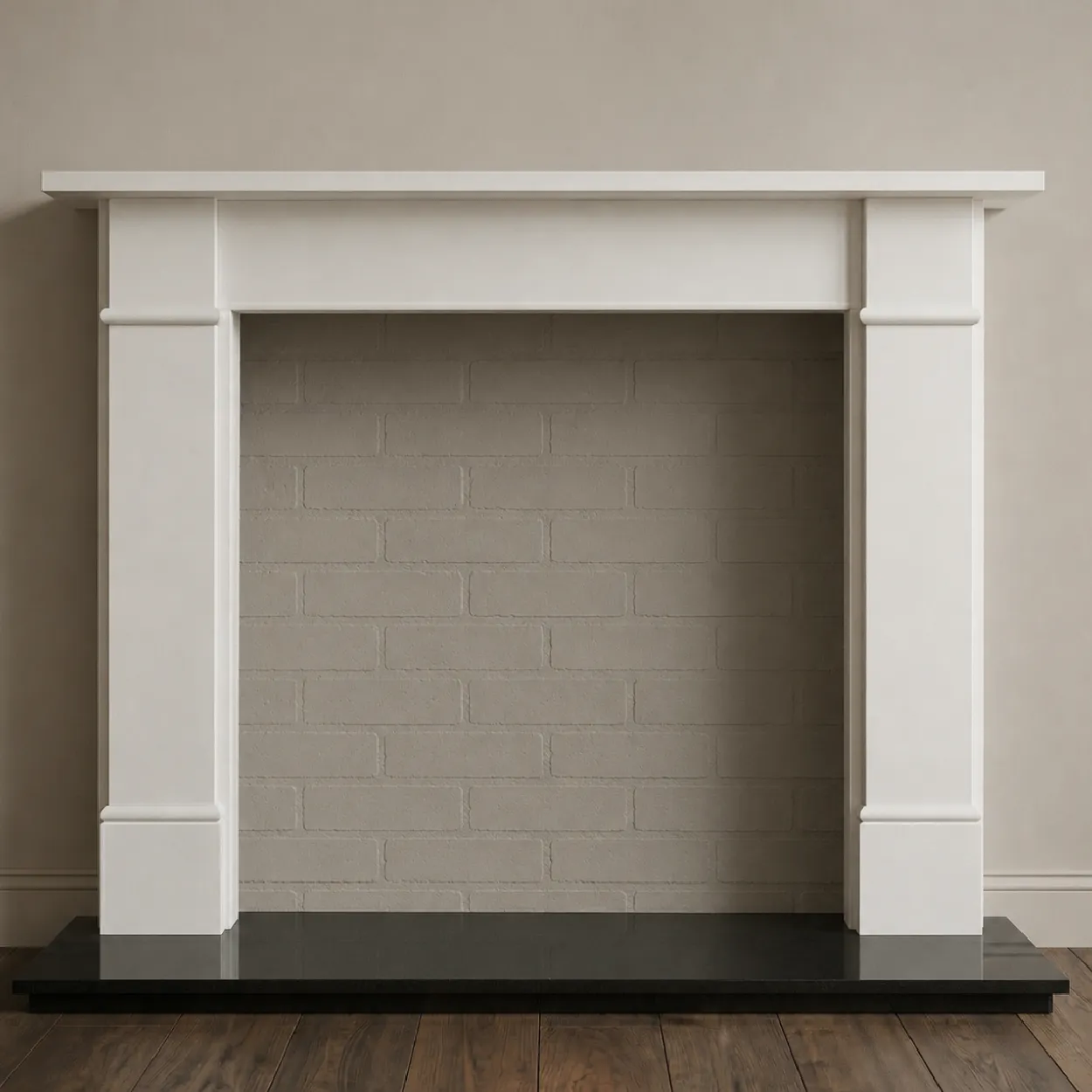
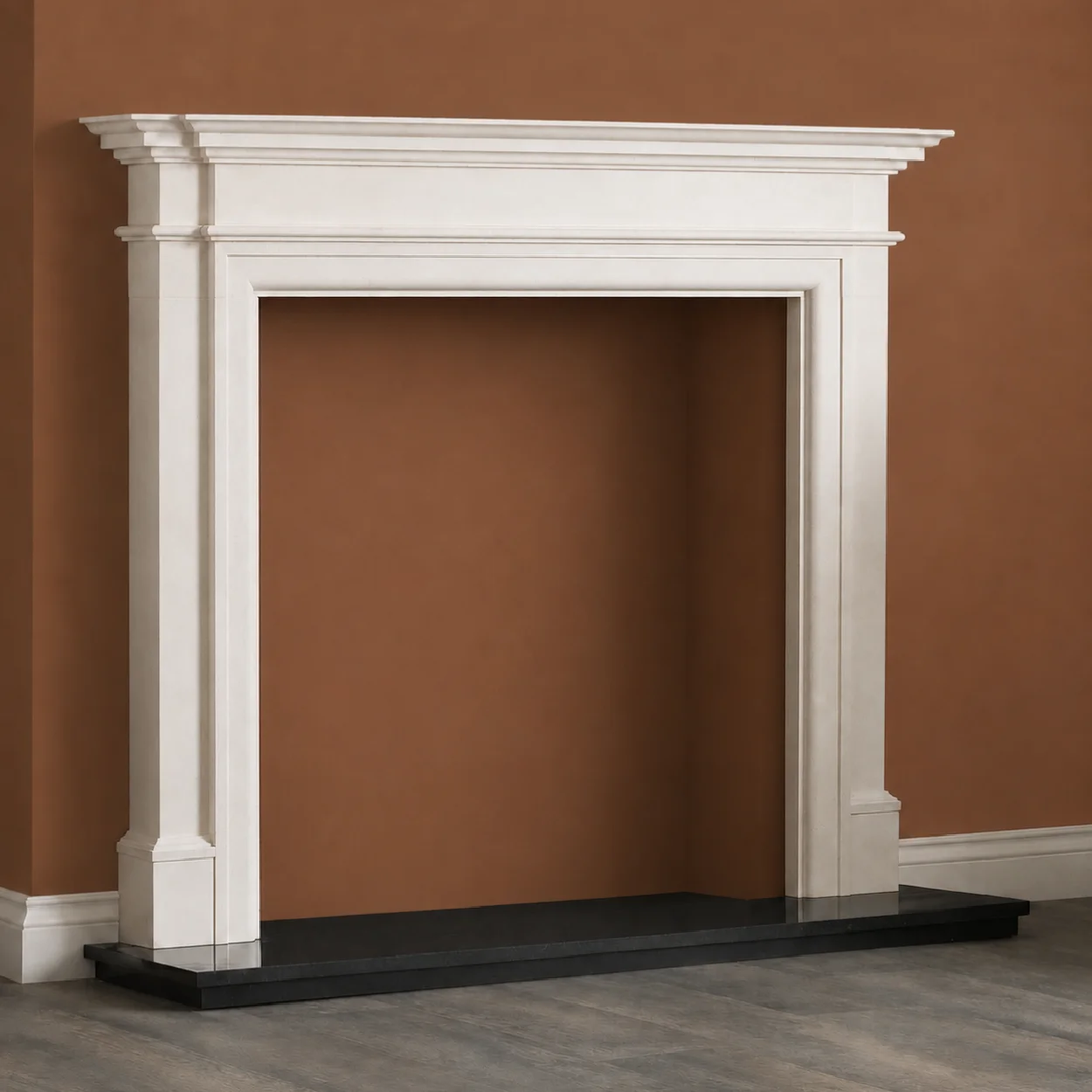
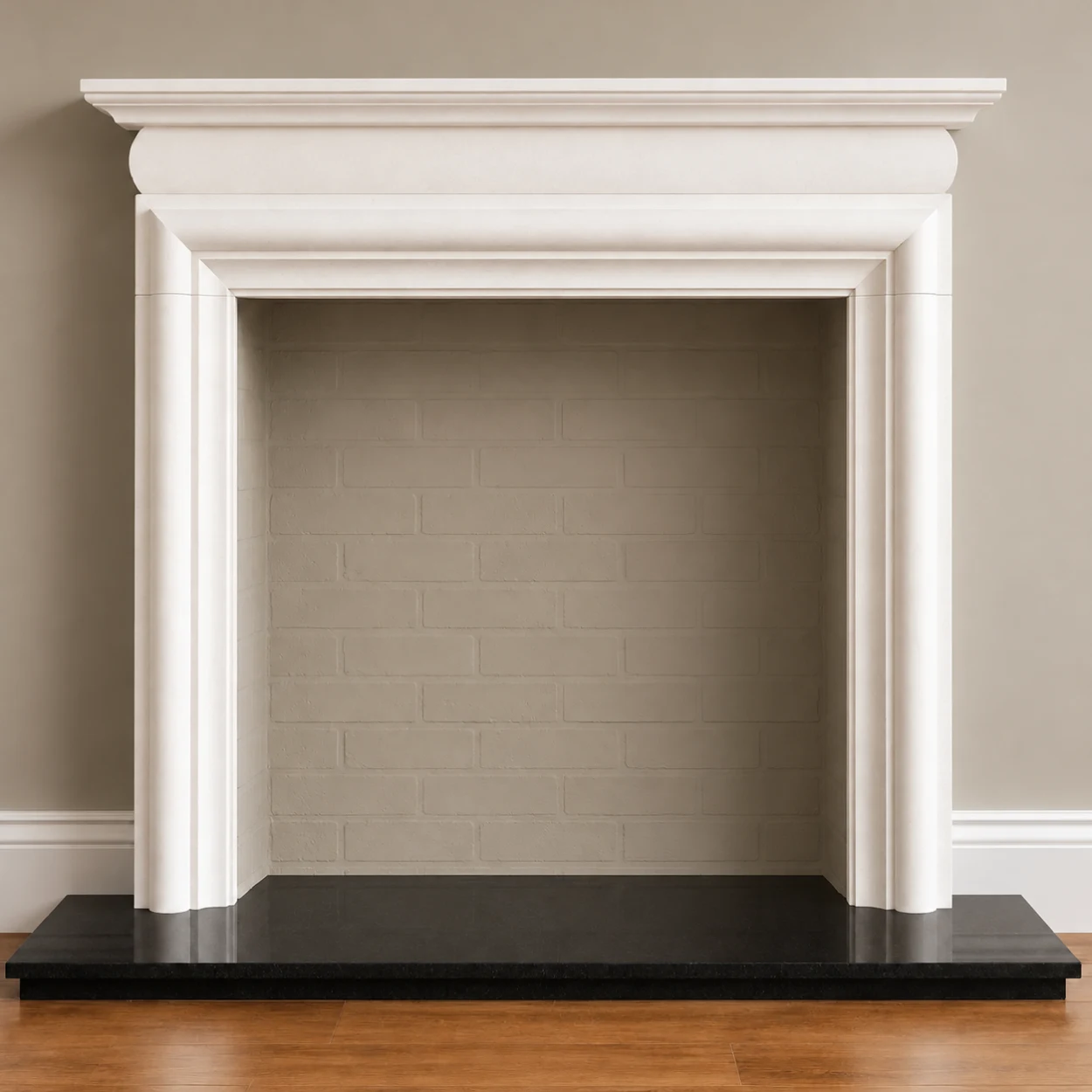
View a sample beside your flooring, wall colour and other finishes in daylight and evening light. A small online photograph is a poor guide to undertone. Ask for photographs of a complete surround in the selected stone, as well as close-up images.
Understand what natural variation means
A sample helps establish the material, but it cannot show every marking in the finished piece. Ask the supplier what variation to expect and whether you can approve the actual stone or finished surround before dispatch. Clarify what is being supplied: natural stone, an engineered material or another product with a stone-effect description.
Think about the room’s other patterns. If the flooring or furnishings already make a strong statement, a quieter surround may sit more comfortably. A richly marked stone can work particularly well when the surrounding finishes give it space.
Plan for everyday care
The Natural Stone Institute advises suitable neutral cleaners and warns that acidic products can damage calcareous stone. Avoid assuming a general bathroom cleaner is appropriate. Sealing can improve stain resistance but does not make stone stainproof. Follow the supplier’s care advice for the exact finish. Natural Stone Institute: care and cleaning.
Ask about sealing, spill care and recommended cleaning products before ordering. Candles, drinks and decorative objects should be considered as part of how you intend to use the mantel and hearth.
Check proportions and compatibility
Confirm the overall width and height, mantel projection, opening and rebate depth. Compare the surround with the actual wall and furniture, rather than choosing the largest size that fits. A narrow room may benefit from a more restrained projection.
Have the supplier and installer confirm suitability for the exact appliance, heat exposure and installation method. The words “marble” or “limestone” alone do not establish that any surround is suitable for any fire.
Next step: compare fireplaces and surrounds by stone, finish and dimensions, with samples considered before the final choice.